With our next cohort of team members shortly embarking on the trip of a lifetime to Tanzania to tackle the epic climb of Mount Kilimanjaro, read Abs’ day-by-day account of his experience on the mountain earlier this year.
Four days on the mountain took me from the green forest at the entrance to Kilimanjaro National Park, through changing vegetation and stark volcanic landscapes, to a freezing night-time summit climb and, finally, Uhuru Peak at 5,895 metres. This diary brings together the photographs and the moments that defined the journey.
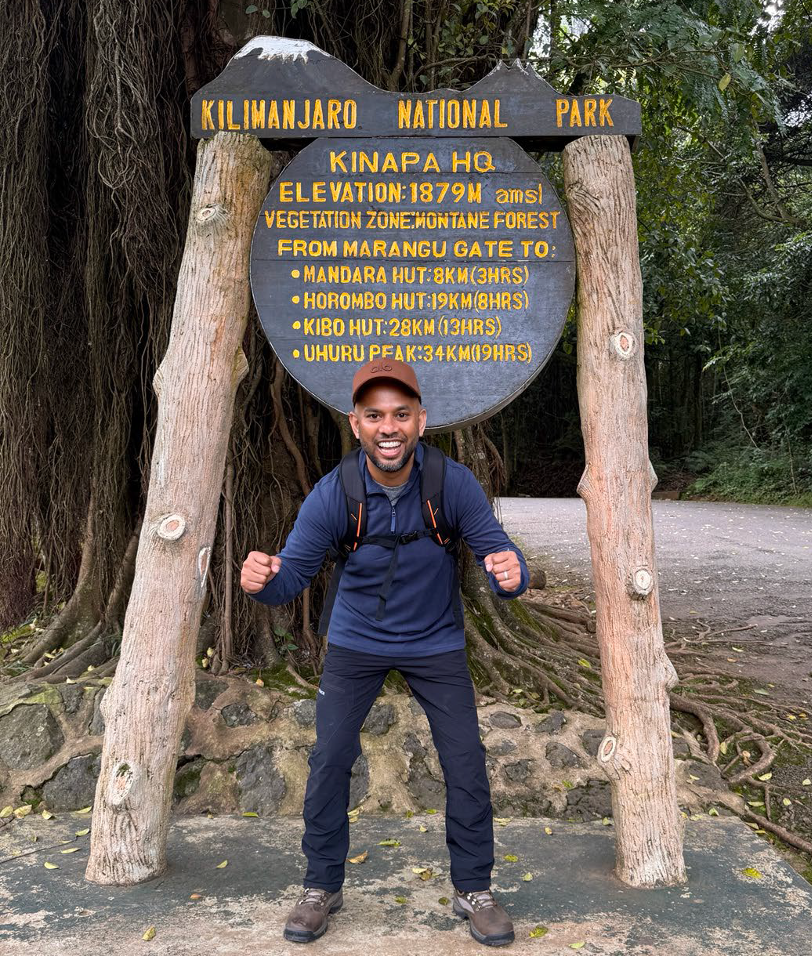
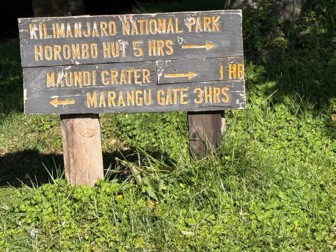
DAY 1 – Into Kilimanjaro: From the park gate into the forest
Approx. 4 hrs 10 mins walking | 08:00 pick-up to 19:30 bed
The Start
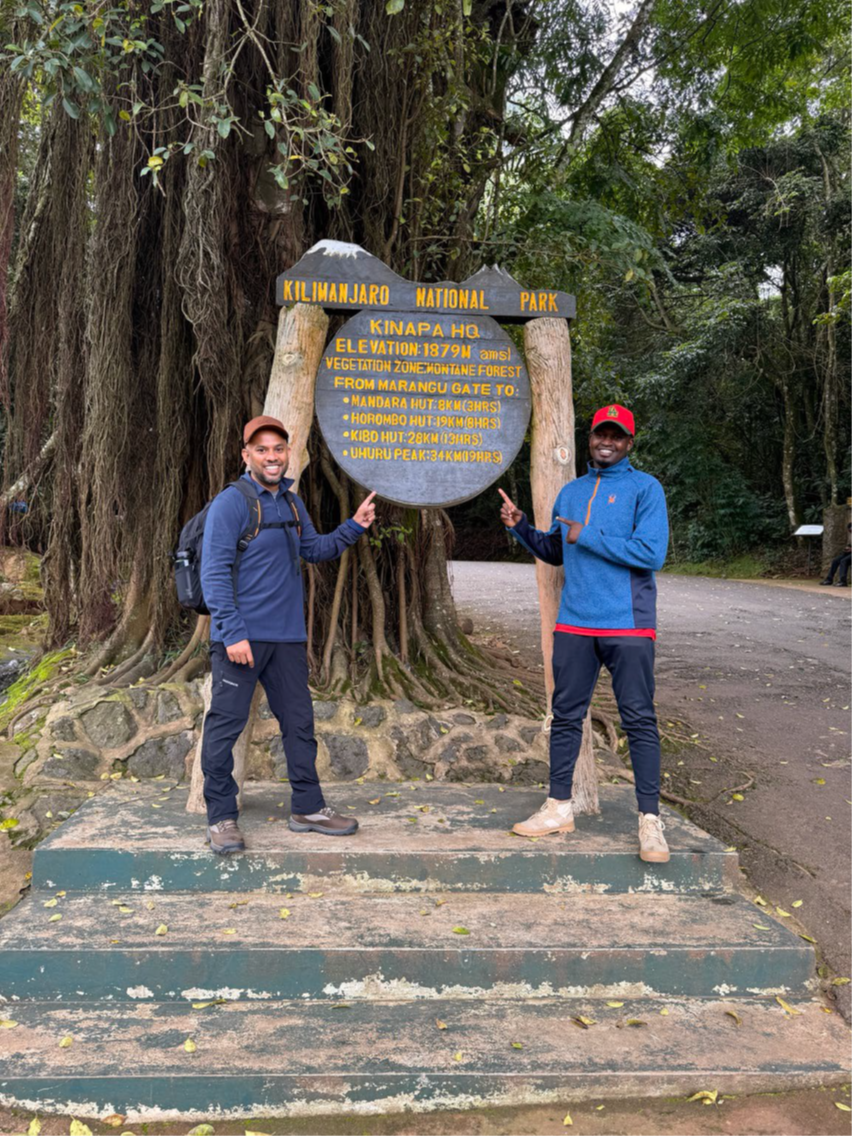
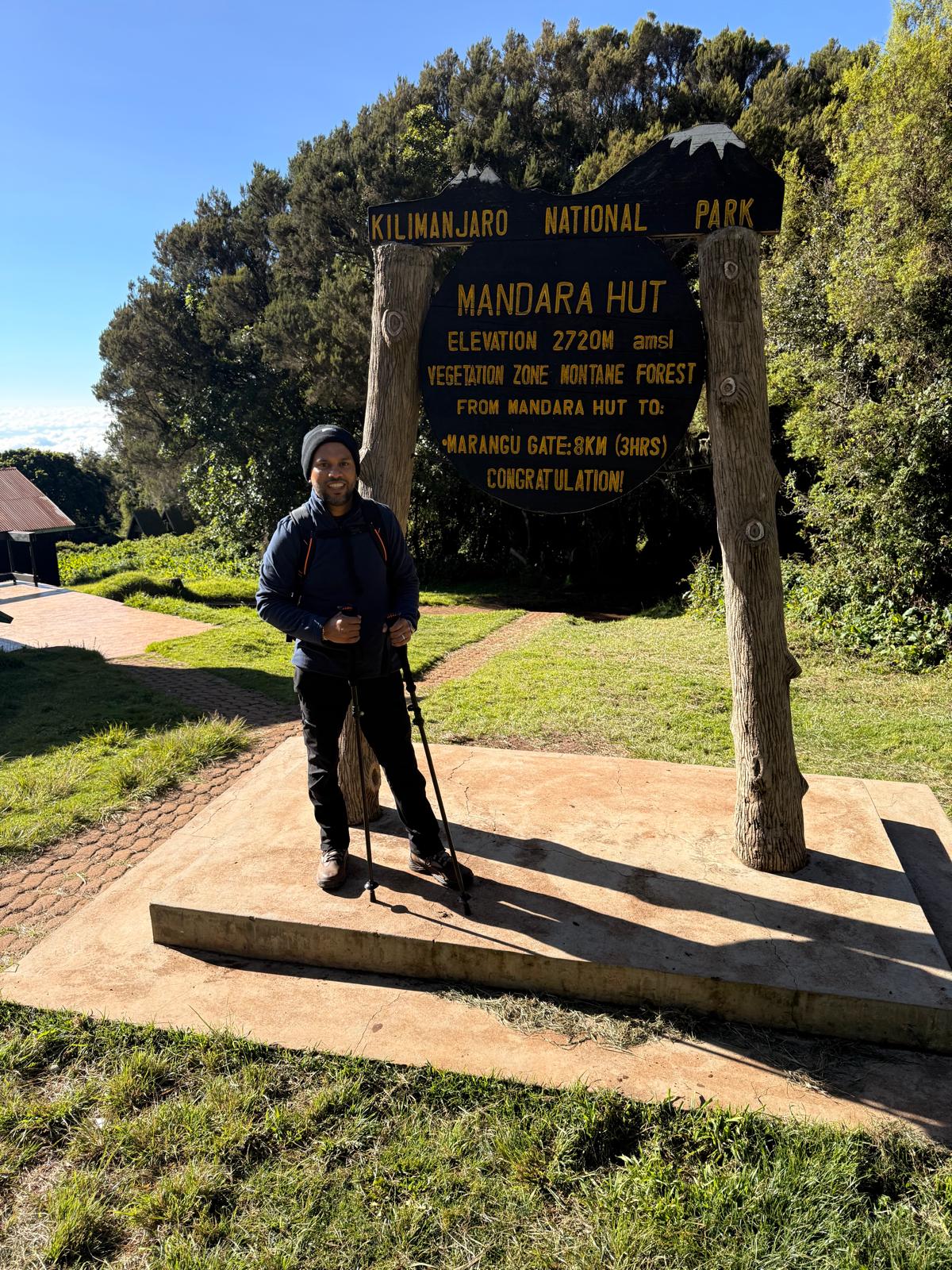
The first day was about finally turning preparation into reality. At the Kilimanjaro National Park entrance, the climb stopped being an idea and became something I was actually doing.
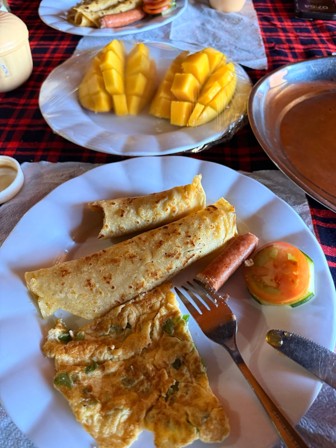
Into The Forest
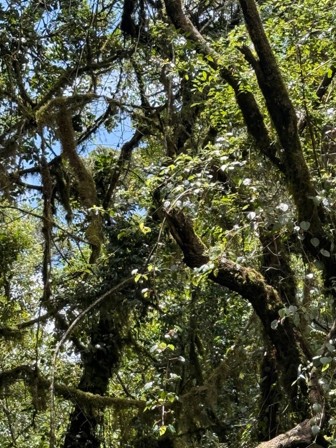
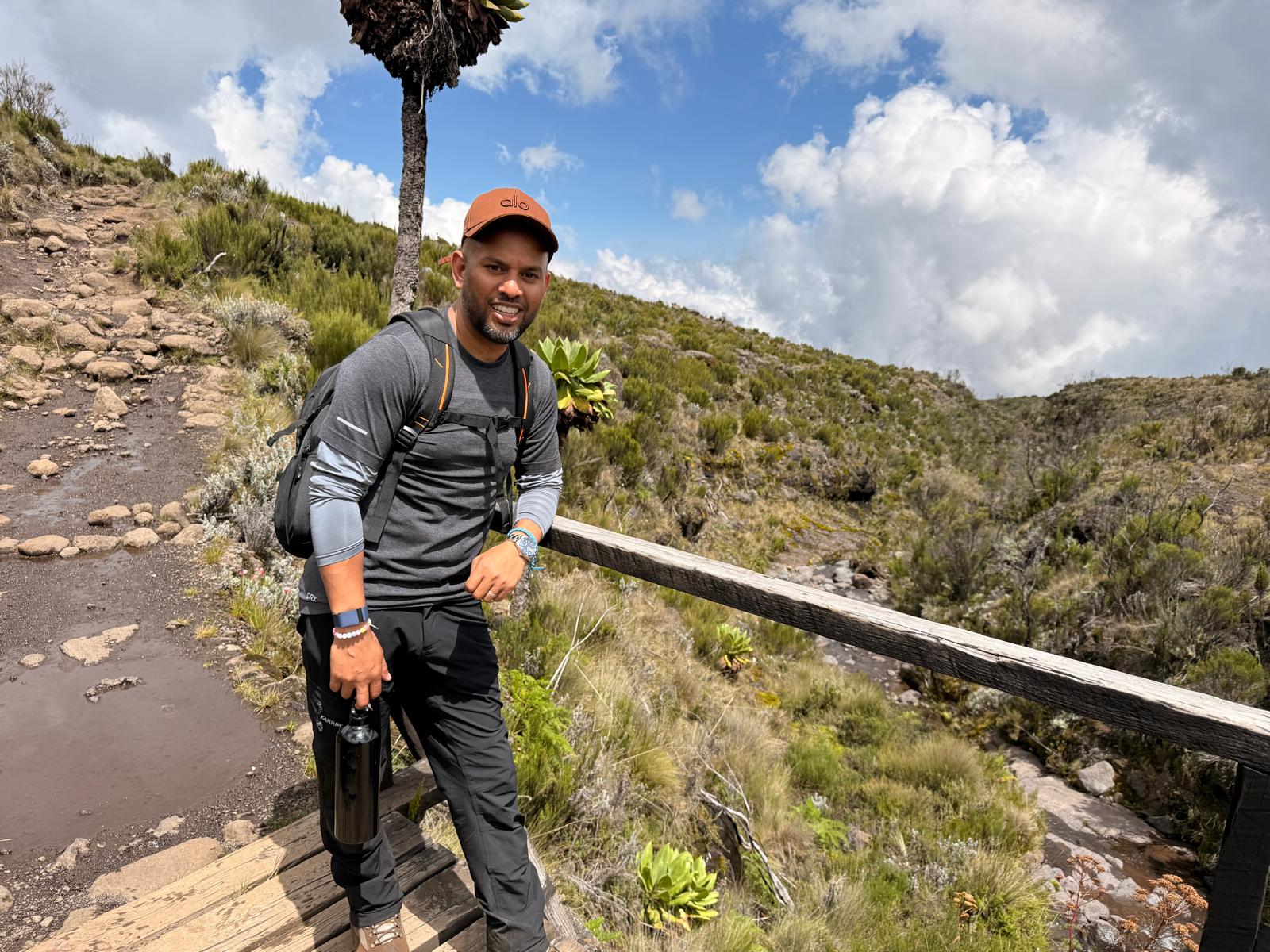
The early trail led through dense, green forest. Under the canopy, the path was damp and earthy, surrounded by huge trees, moss and thick vegetation. It felt a world away from the snow and ice that waited higher up.
First Night on the Mountain
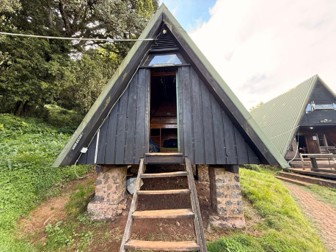
By the end of the day, the simple mountain accommodation felt very welcome. There was time to eat, sort the kit, take in the surroundings and prepare for another day of climbing.
DAY 2 – Above The Forest: The landscape opens and the mountain begins to reveal itself
Approx. 6 hrs 25 mins on the trail, including stops | 06:00 wake-up to 18:00 dinner
A Changing Landscape
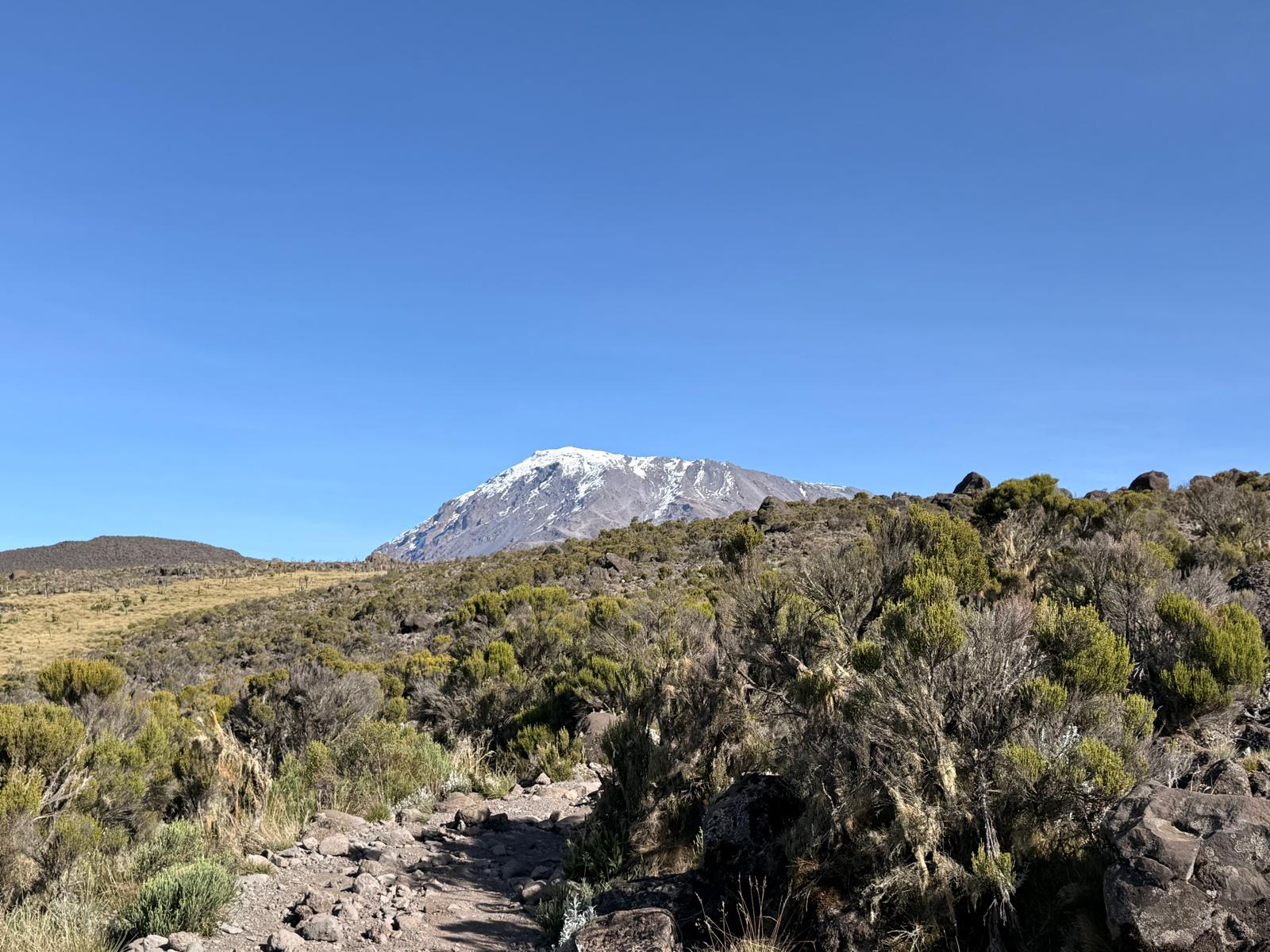
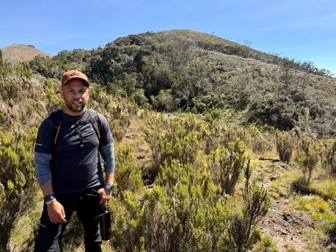
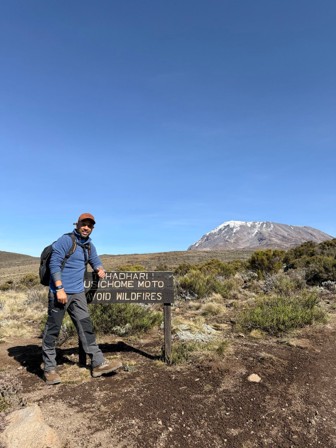
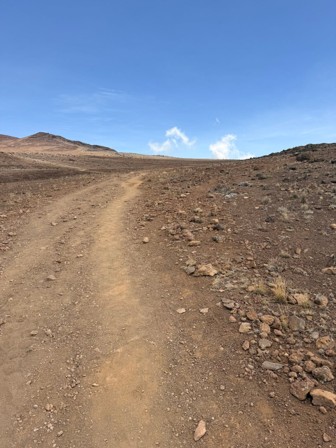
Leaving the thicker forest behind, the vegetation became lower and the views opened out. The trail felt more exposed and the scale of Kilimanjaro became easier to appreciate.
Pole Pole
The rhythm of the mountain was becoming familiar: steady walking, regular stops and no rushing. ‘Pole pole’ – slowly, slowly – was not just advice; it was the way to keep moving as the altitude increased.
Looking Higher
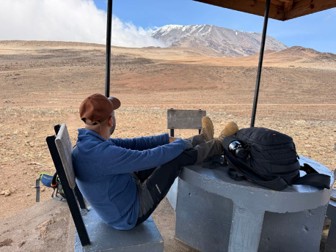
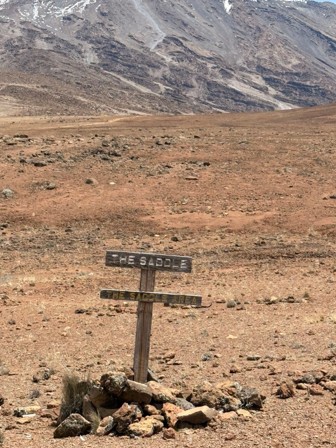
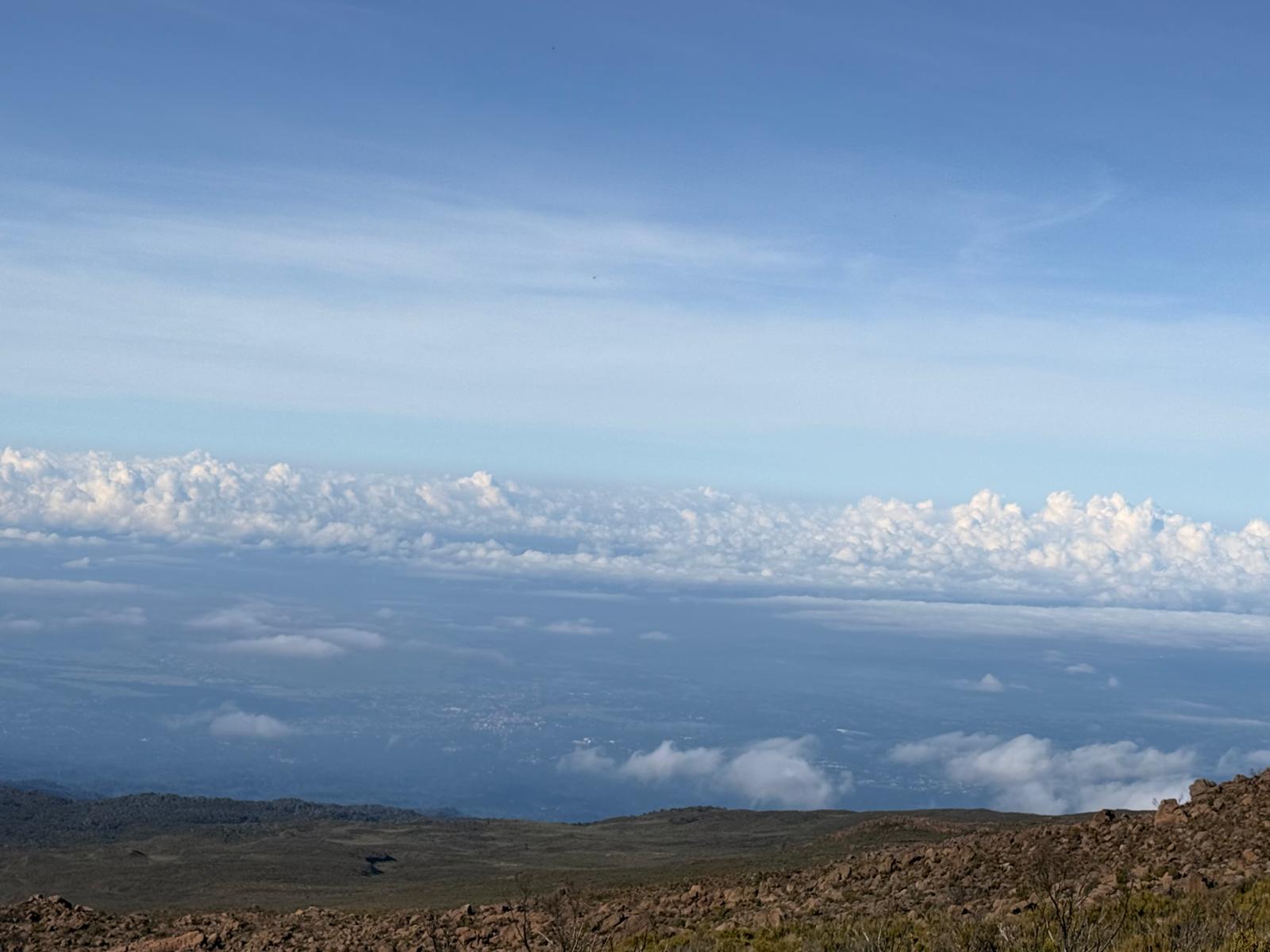
As the day progressed, the terrain became drier and more rugged. Peaks and ridges appeared through the cloud and the higher mountain began to dominate the horizon.
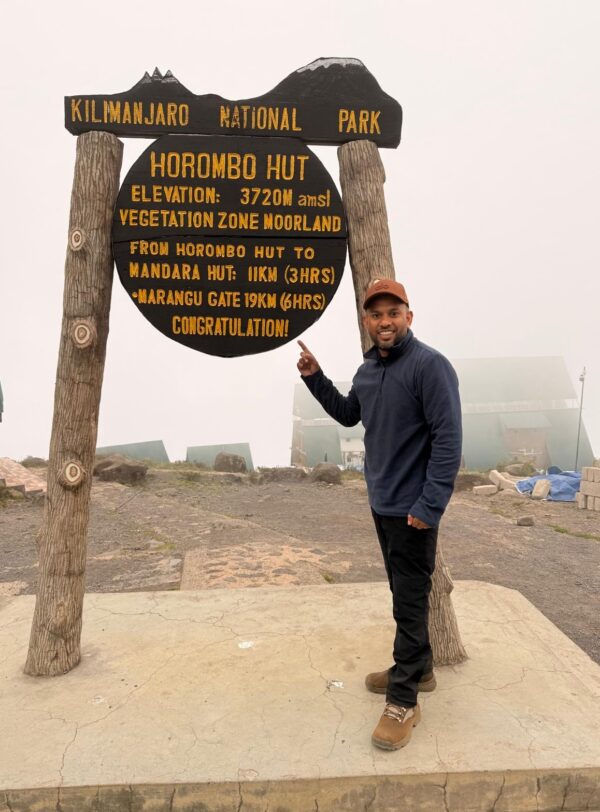
DAY 3 – To Kibo Hut: The summit suddenly feels very close
Approx. 5 hrs 25 mins daytime trek | 06:30 wake-up to 23:30 summit preparation
Into the Alpine Desert
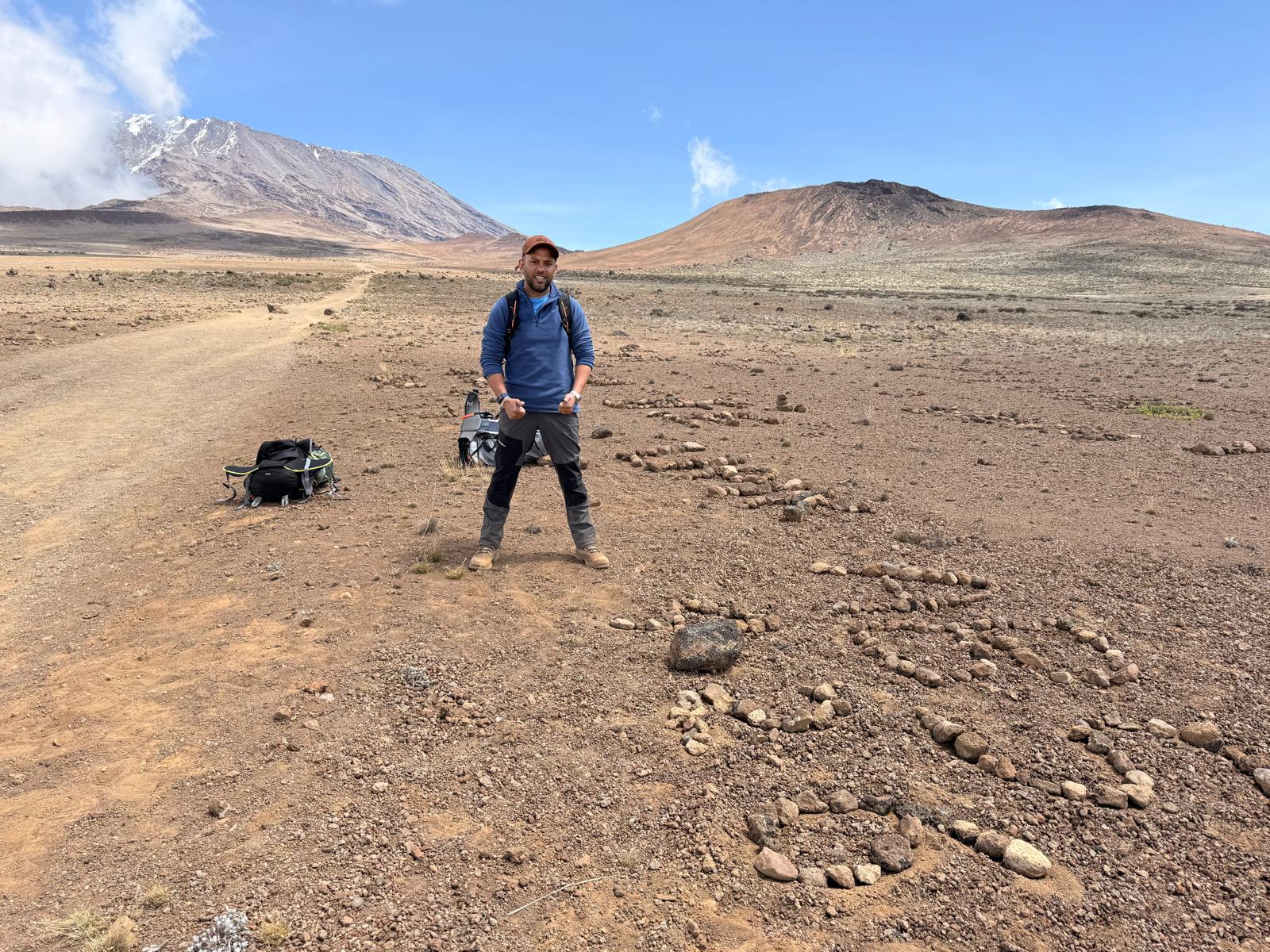
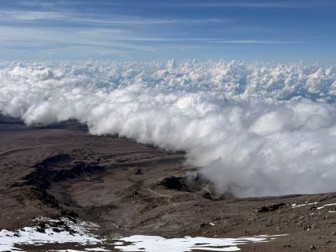
Day 3 brought a dramatic change. The greenery largely disappeared and the route crossed a broad, dry volcanic landscape. It was stark, beautiful and increasingly hostile.
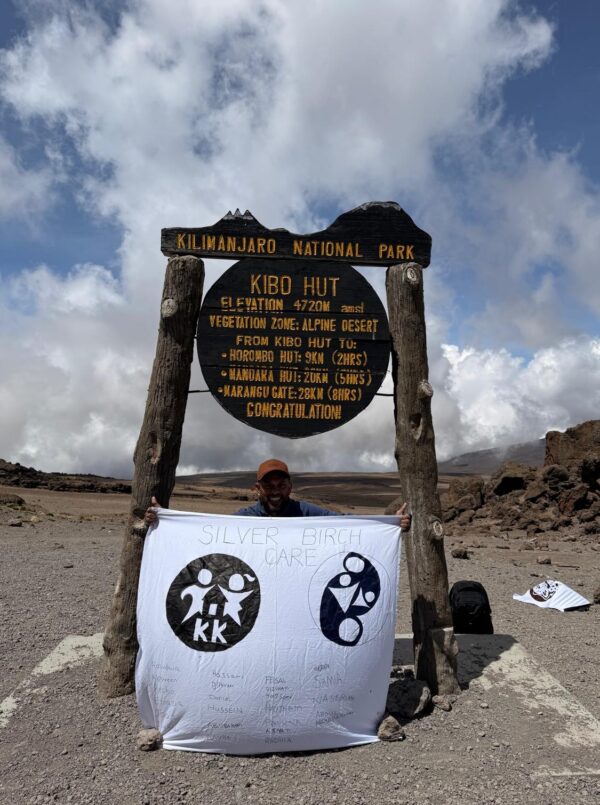
Kibo Hut
Eventually Kibo Hut came into view. At around 4,700 metres, this was the staging point for the summit attempt. The mountain towered above us and there was no disguising what came next.
Waiting for Midnight
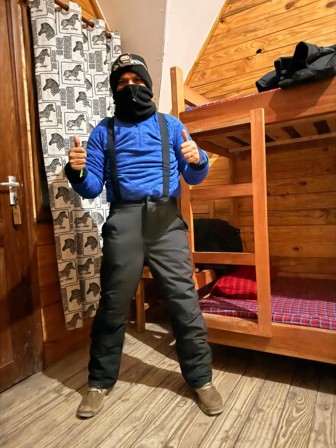
There was little time for a normal night’s sleep. The priority was food, water, warm layers, headtorch, gloves and trying to rest before getting up again in the darkness. The summit attempt would begin at night.
DAY 4 – Summit Day: Darkness, ice, sunrise and the Roof of Africa
Over 11 hours from the 00:40 summit start to returning to Kibo at 11:50 – then back on the trail again at around 13:00
The Night Climb
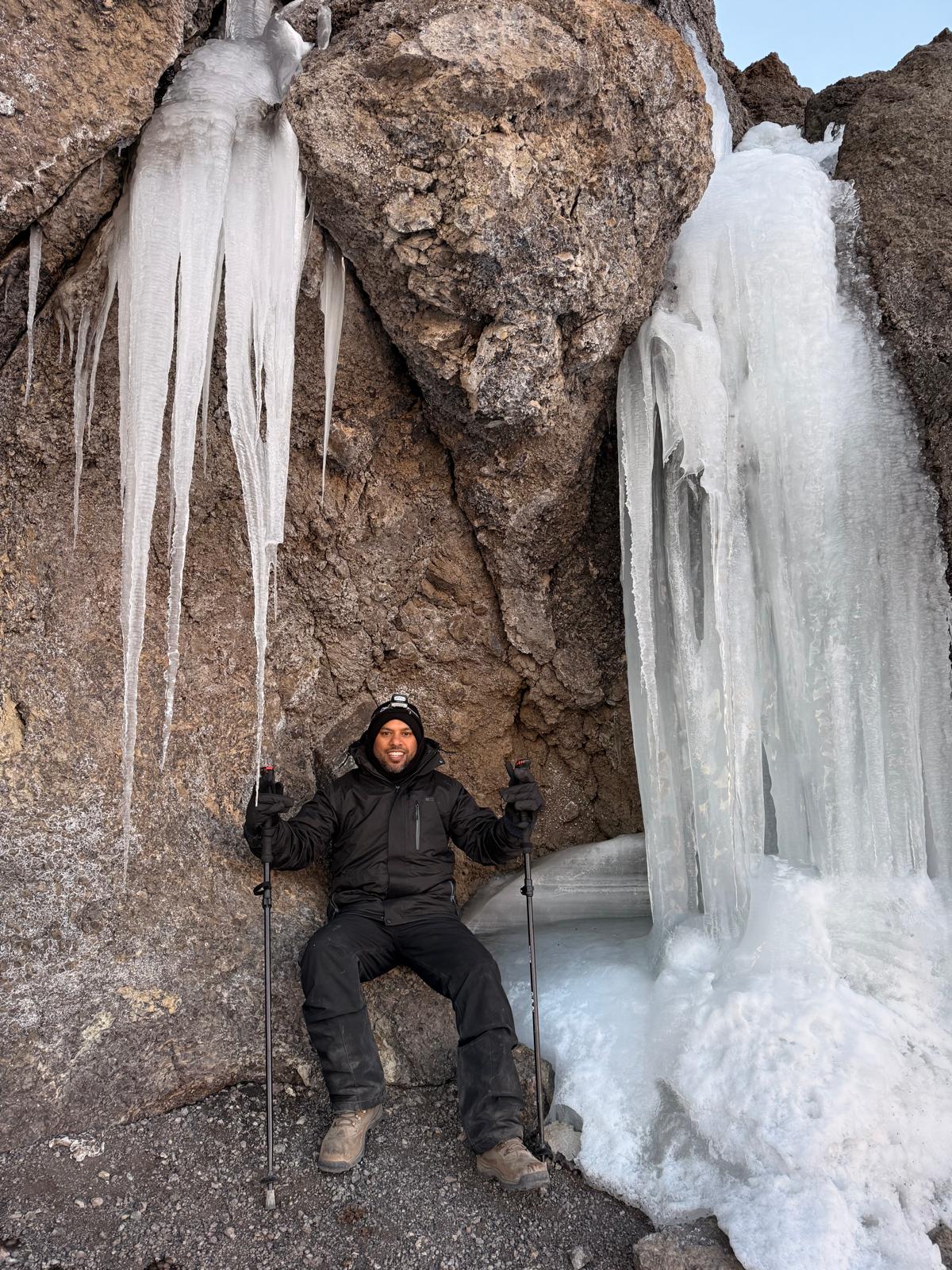
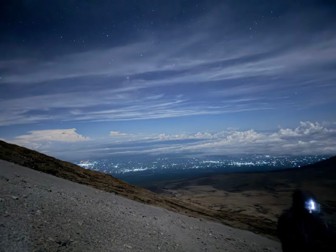
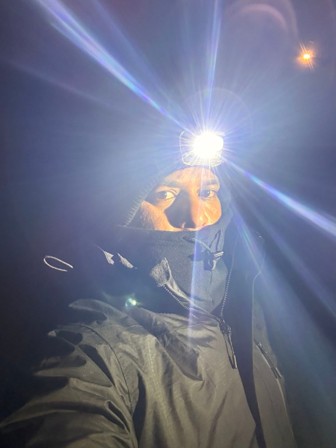
We set off at 00:40 in complete darkness, wrapped in layers and following the small pool of light from our head torches. The pace was deliberately slow. At this altitude, every step had to be earned. Step by step. Breath by breath.
Gilman’s Point – 5,681m
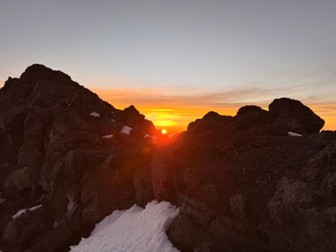
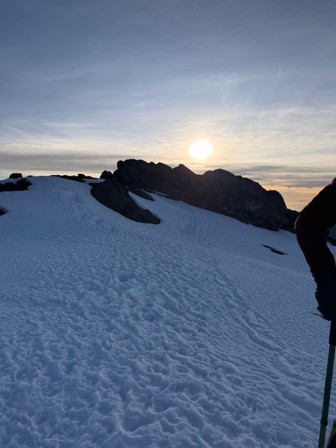
At 06:09, we reached Gilman’s Point at 5,681 metres, just as the sun began to rise. It was a huge milestone after more than five hours of climbing through the darkness, but the journey was not finished. There was still more altitude to gain.
Sunrise on Kilimanjaro
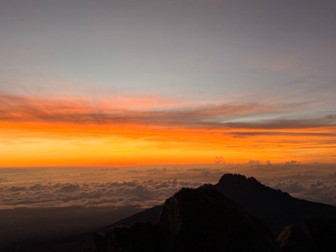
As daylight arrived, the mountain changed completely. The darkness gave way to extraordinary orange light, black volcanic rock, snow and ice. After hours of climbing through the night, watching the sunrise from this height was unforgettable.
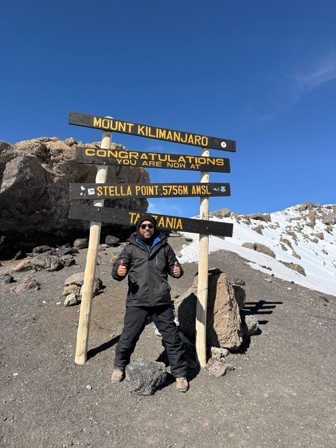
Stella Point – 5,756m
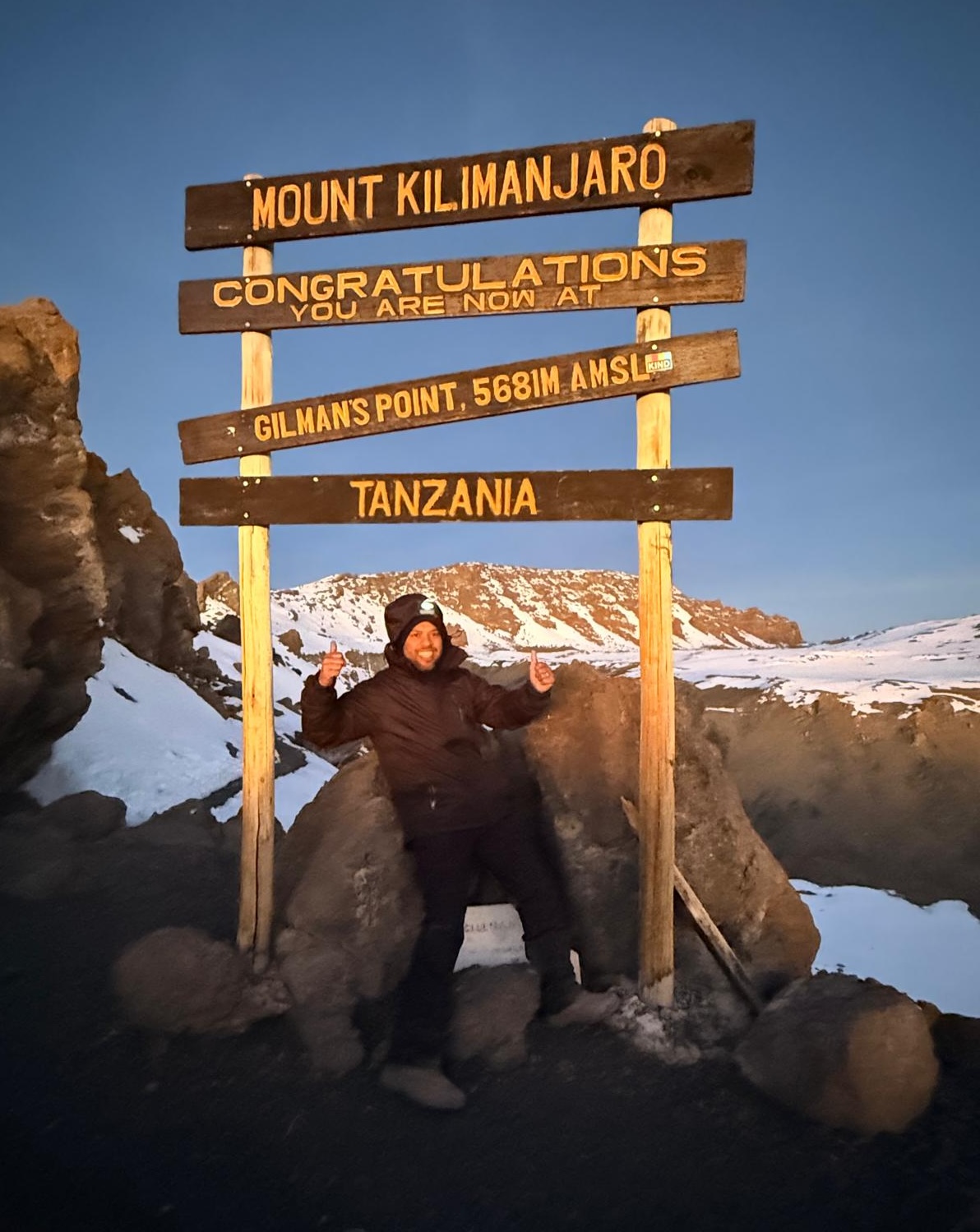
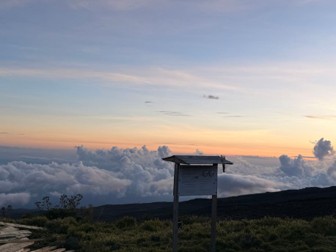
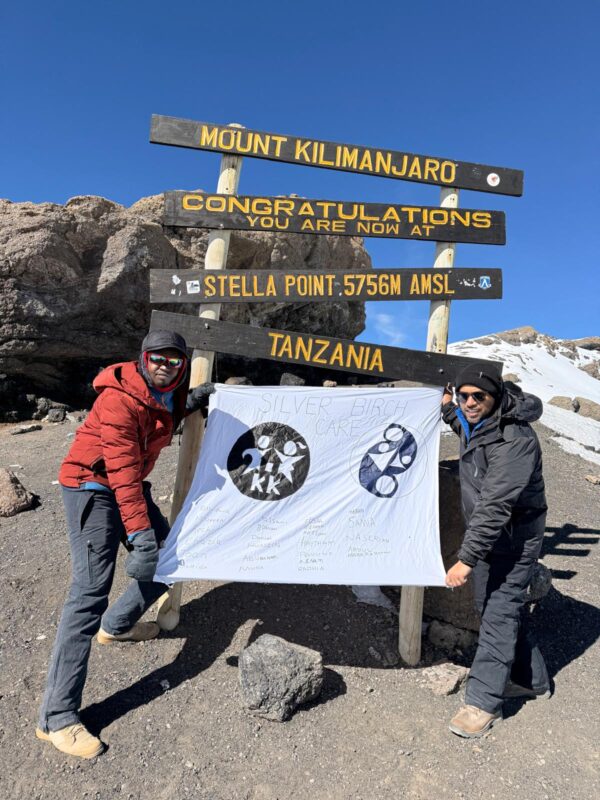
Stella Point brought another landmark and another reminder that the summit was now within reach. The route continued across the upper snowfields toward the highest point.
The Final Push
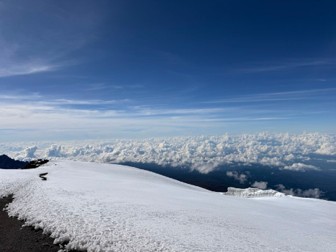
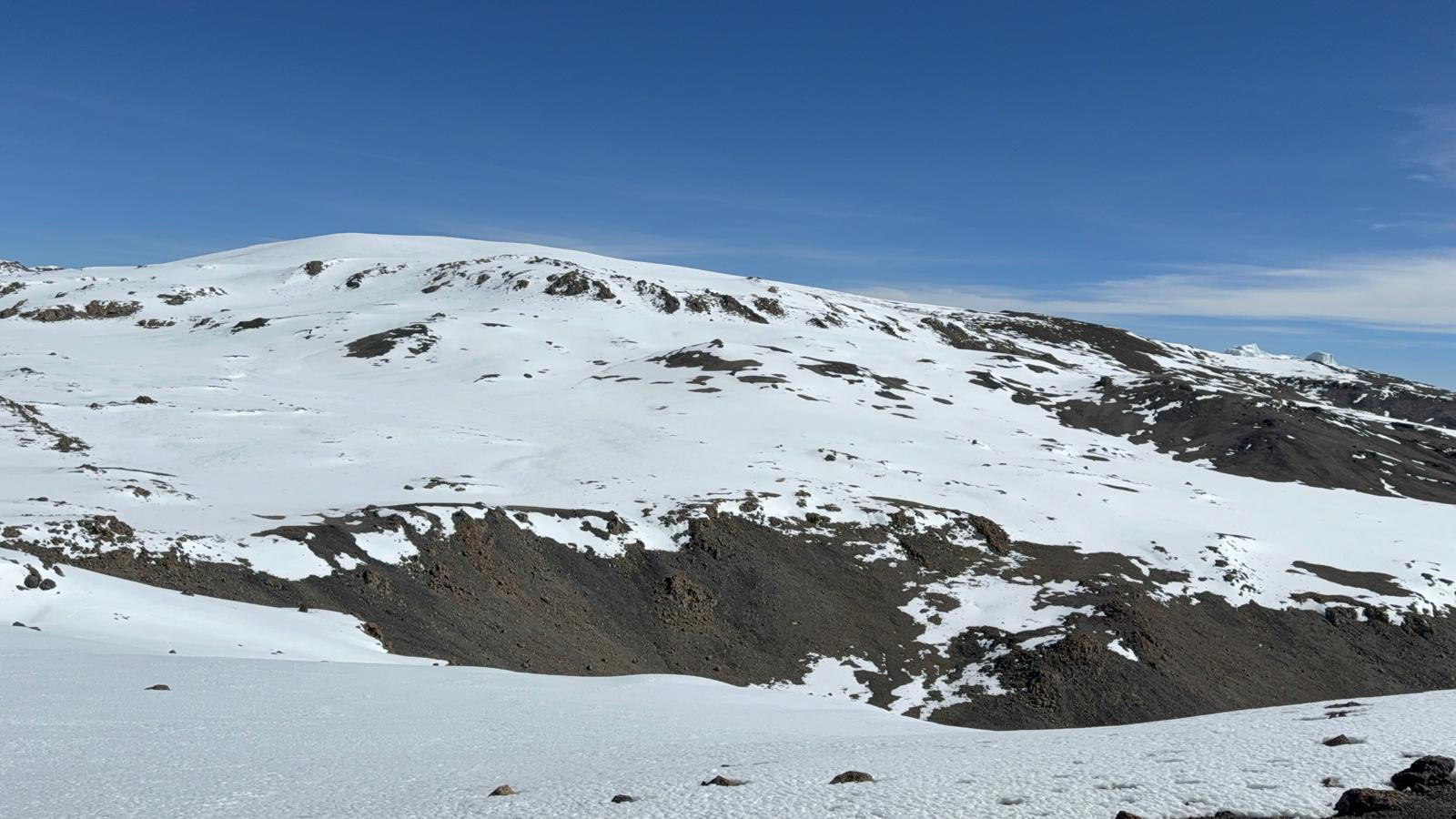
The sun was up, but the altitude made every step demanding. Snow and ice stretched across the upper mountain, with clouds far below. There was only one destination left: Uhuru Peak.
Uhuru Peak – 5,895m
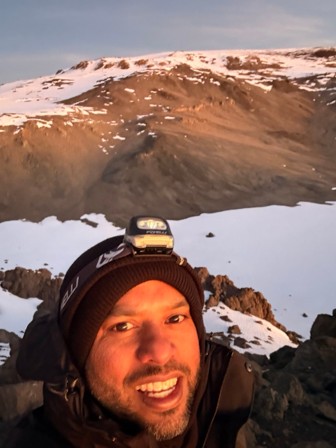
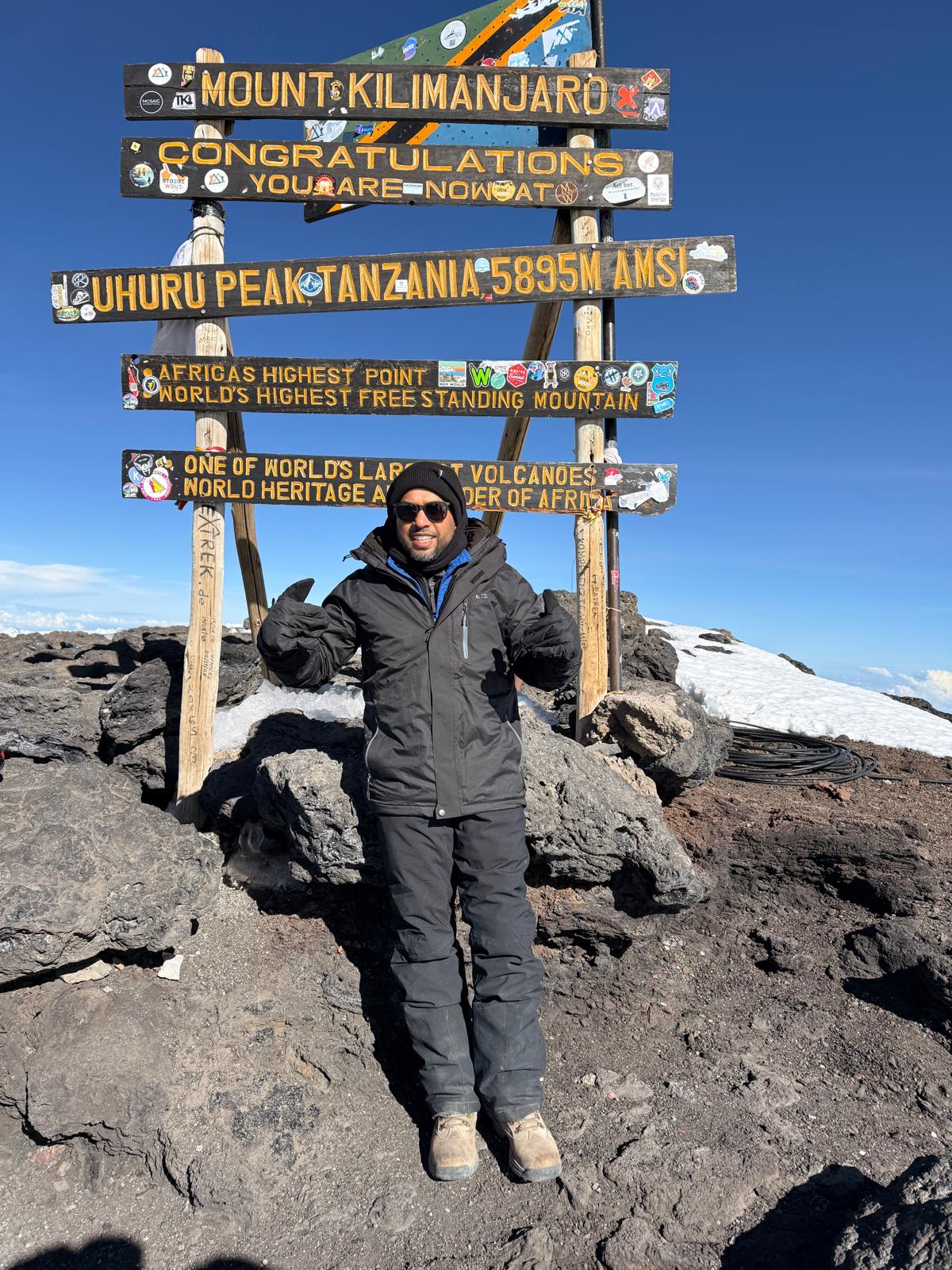
And then, finally, there it was. Uhuru Peak, 5,895 metres above sea level – the highest point in Africa. After four days of walking, the freezing overnight climb, the altitude, exhaustion and countless pole pole steps, I was standing at the top of Mount Kilimanjaro. I’d made it. For a few moments there was nowhere else I needed to get to. No next checkpoint. No higher point. Just the chance to stand there and appreciate where I was.
The View from the Roof of Africa
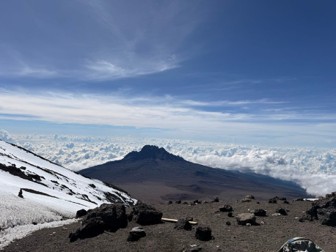
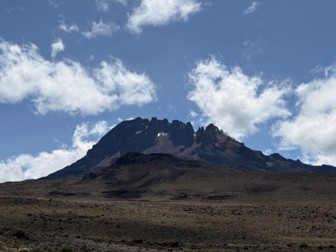
Looking out from the summit was almost surreal. Snow and ice stretched across the upper mountain and beyond it was an enormous sea of clouds. Looking back towards Mawenzi made the scale of everything even more apparent.
The Descent
Reaching the summit was not the end of Day 4. After celebrating briefly, we turned around and began the descent. By 11:50 we were back at Kibo/base for a short rest. At around 13:00, we set off again towards the next base camp. Looking down across the barren volcanic landscape, the scale of the journey was suddenly obvious: the summit was behind me, but the day’s walking was still far from over.
Four Days. One Summit.
Kilimanjaro was more than a walk to a summit. Each day changed the landscape, the weather and the challenge. The forest at the beginning felt a lifetime away from the ice at the top. The photographs capture the places, but the strongest memory is the process of getting there: one slow step after another.
Our team members are climbing Mount Kilimanjaro to raise vital funds and awareness for Kijana Kwanza (Young People First), a non-profit organisation based in Moshi supporting orphaned children and vulnerable young people. Learn more about Kijana Kwanza and our previous expeditions here.